Rubicon Sway Bar Disconnect Upgrade – EVO Manual Mod for JK, JL & JT
The Rubicon's push-button electronic sway bar disconnect is one of the best factory features Jeep ever shipped—if you bought a Rubicon. For everyone else, there is a smarter path than quick-disconnect pins: take a Rubicon sway bar, replace its electronic actuator with EVO Manufacturing's No Limits manual knob, and pair it with a set of Core 4x4 Crawl Series end links. In this install, the green JL from our adjustable control arms video gets the full setup, and a forklift flex test shows connected versus disconnected articulation side by side.
Why Disconnect Your Sway Bar?
A connected sway bar limits how far each front wheel can droop independently—that is its job on the street, where body-roll control matters. Off-road, that same coupling limits articulation. The usual options each come with a catch:
- Leave it connected – you give up front flex, and on uneven terrain the tires lift instead of staying planted.
- Quick-disconnect end links – they work, but you are dealing with pins, and disconnected links flop around unless you tie them up out of the way.
- The Rubicon's electronic disconnect – a button on the dash. Convenient, but it depends on a working actuator, wiring, and battery.
This upgrade takes the Rubicon's mechanical disconnect design and swaps the electronic part for a simple manual knob—no wiring, no actuator electronics, no pins to pull.
The EVO Manual Conversion
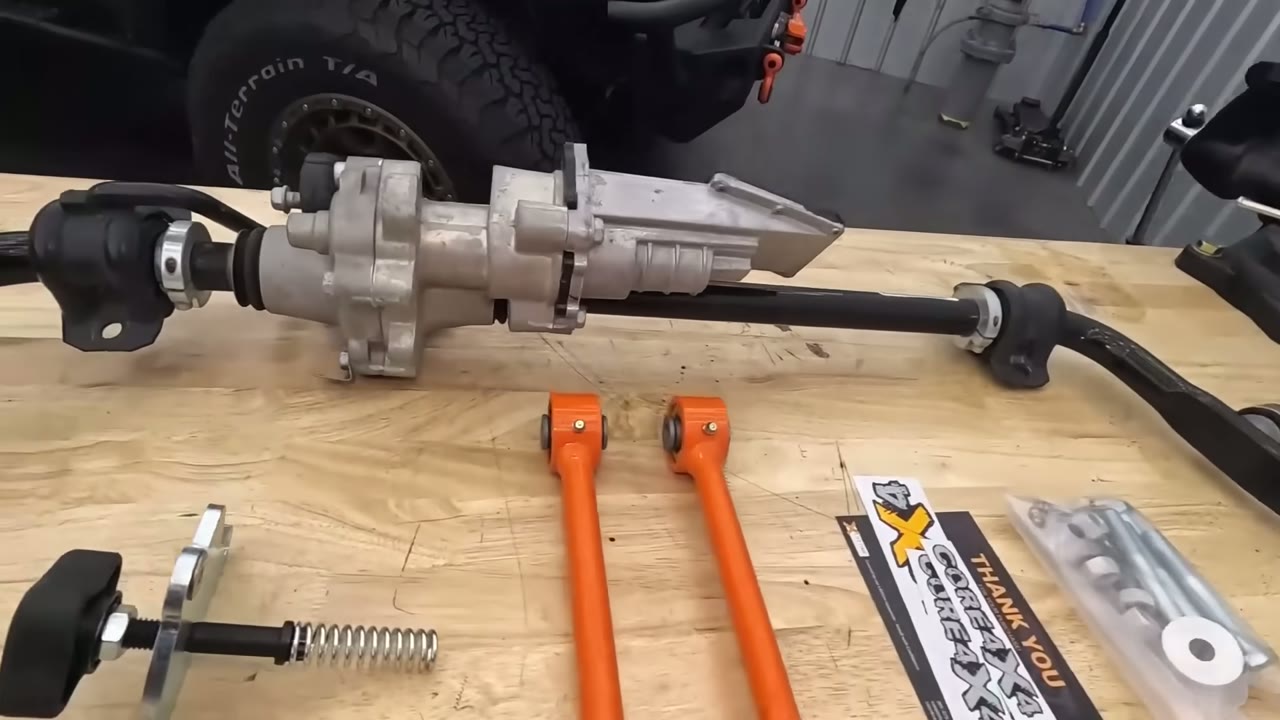
The conversion kit is made by EVO Manufacturing. It replaces the electronic actuator on a factory Rubicon sway bar with a manual knob: turn the knob all the way in to disconnect, turn it back out to reconnect. A spring keeps pressure on the mechanism, so when the two halves of the bar line up, it re-engages on its own—no rocking the Jeep back and forth to force a reconnect.
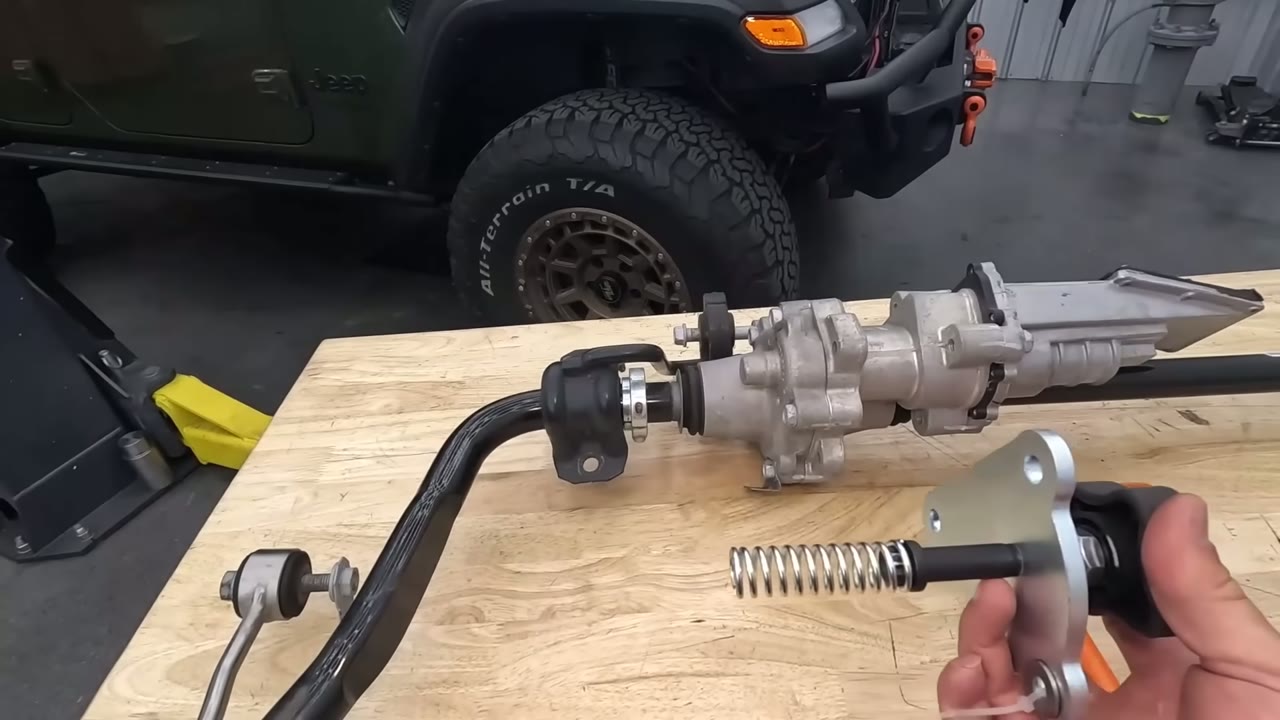
One thing to plan for: this mod goes on a Rubicon sway bar, so non-Rubicon owners need to source one. They have become a popular swap, so used bars run anywhere from around $100 up to $400–500 depending on condition and market.
How the Rubicon Disconnect Works
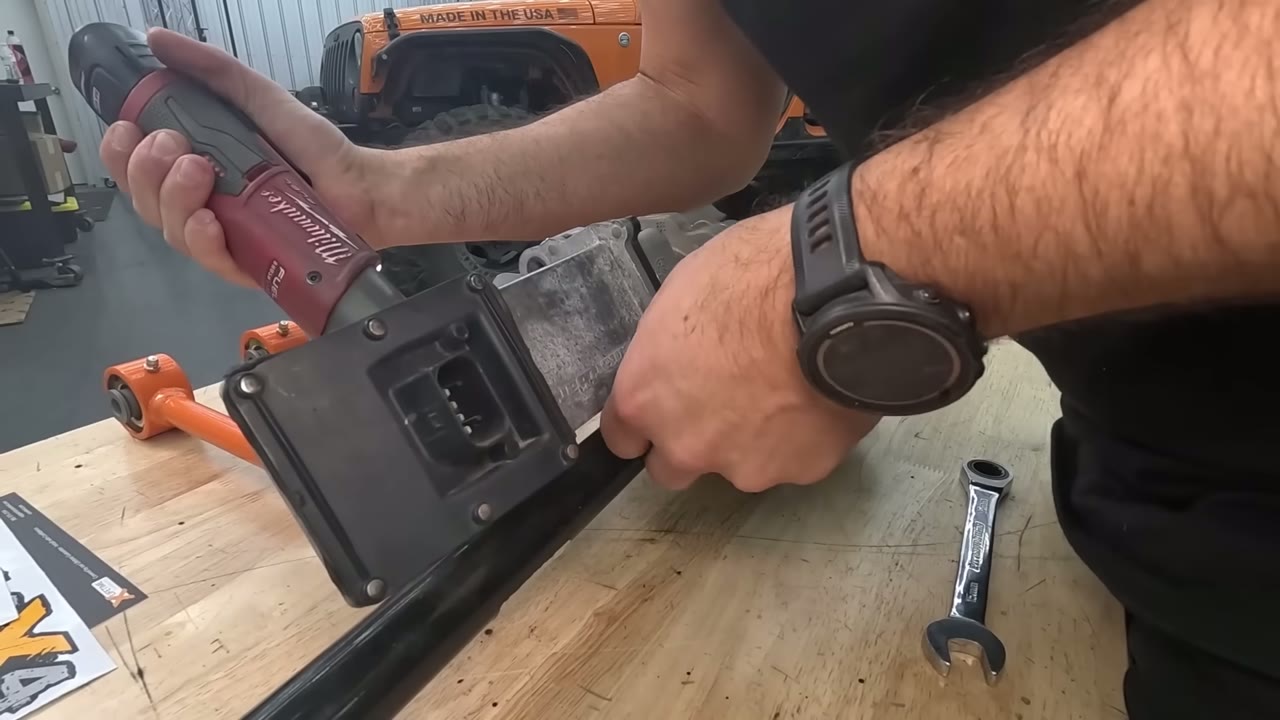
The Rubicon bar is actually two separate bar halves joined at the center housing. Inside, a collar with interlocking teeth slides across the ends of both halves. A spring holds that collar engaged—when the teeth overlap on both ends, the bar acts as one solid piece.
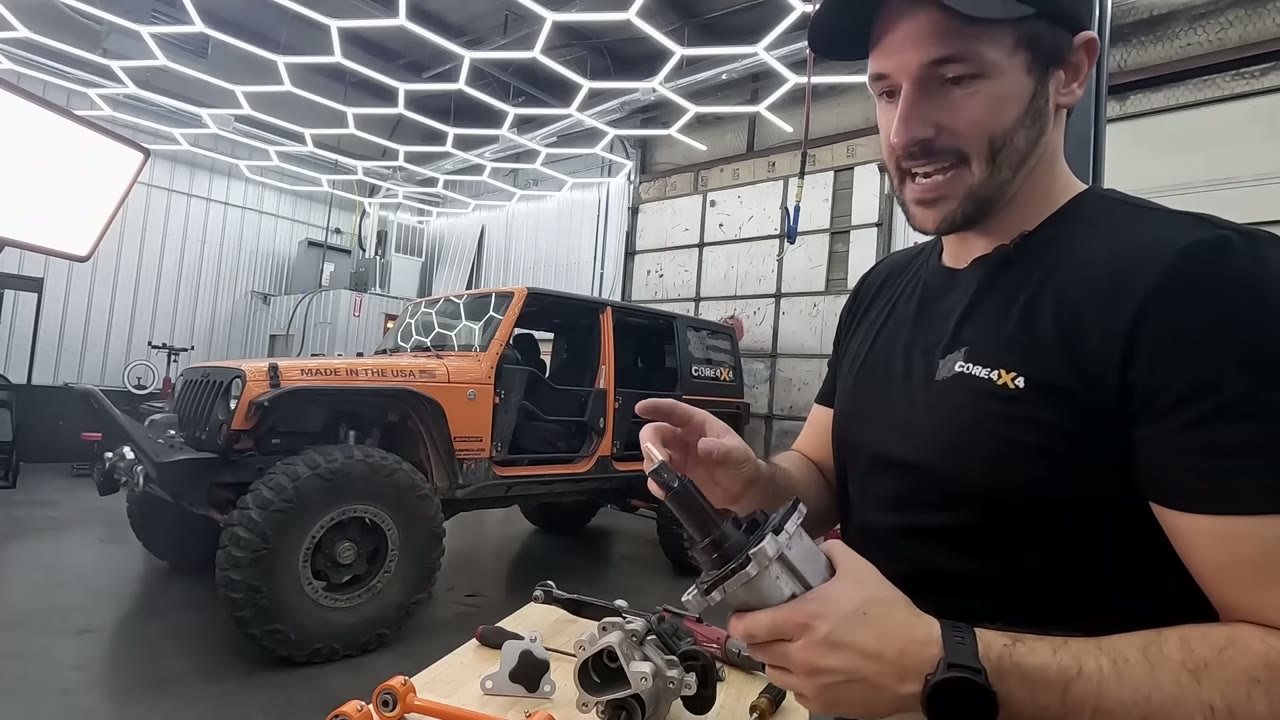
When you hit the factory dash button, the electronic actuator pushes a pin connected to that collar, sliding it off one bar end so the halves rotate independently. The EVO mod does exactly the same thing mechanically: turning the knob in puts spring pressure on the pin, and the collar slides off. Turning it out lets the spring push the collar back into engagement as soon as the bar halves line up.
Converting the Actuator
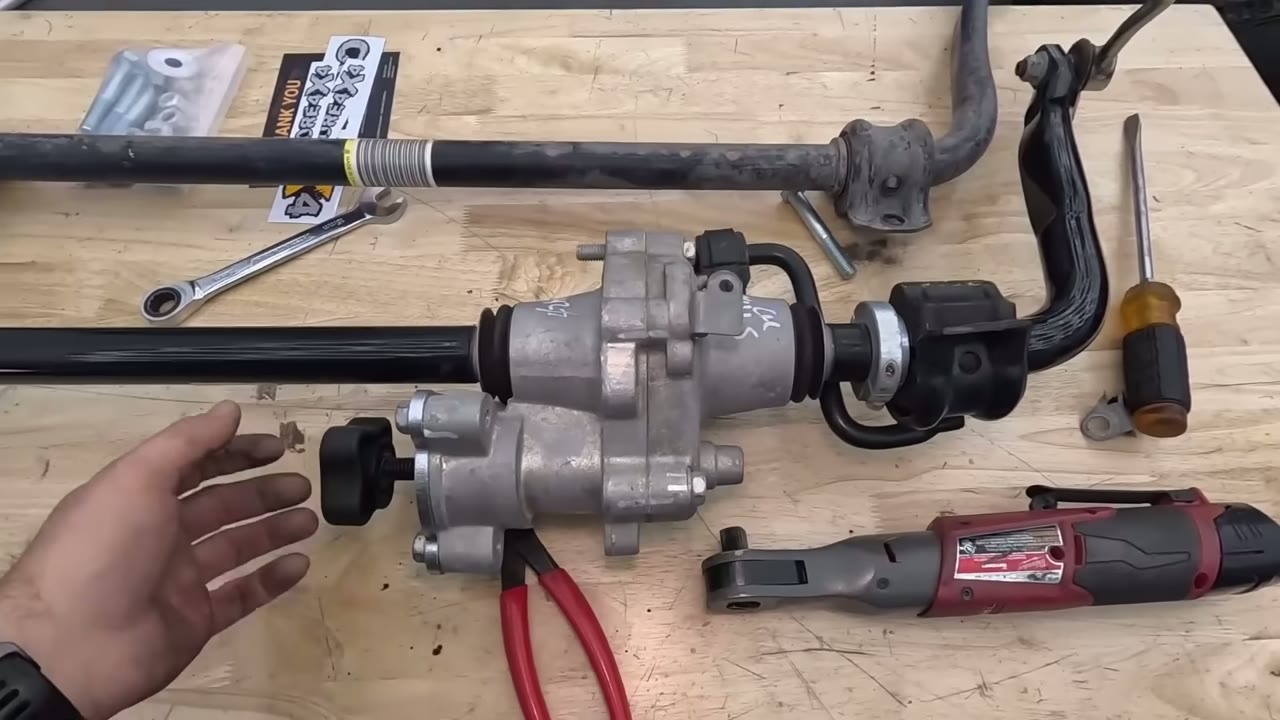
The conversion itself is three bolts and a 15mm wrench:
- Unbolt the electronic actuator from the sway bar housing.
- Check the mechanism. Push the pin with a bolt and confirm the collar slides off and re-engages freely. On an older used bar, take the housing apart, clean it, and work some penetrating oil or WD-40 through it until the collar moves smoothly—if the collar binds, the disconnect will not work no matter what actuator is on it.
- Seat the included washer. The kit comes with one spacer washer that sits flat on top of the actuator opening—it gives the spring a surface to sit against. Make sure it is flat and fully seated.
- Bolt on the manual knob assembly, lined up the right way, and test the action.
Installing on the Jeep
With the bar converted, the swap onto the Jeep is straightforward: unbolt the factory one-piece sway bar (this JL's was a single solid bar with no disconnect), pop off the old end links, and bolt the modded Rubicon bar in its place. A lift makes it nicer, but this is a driveway install—no lift required.
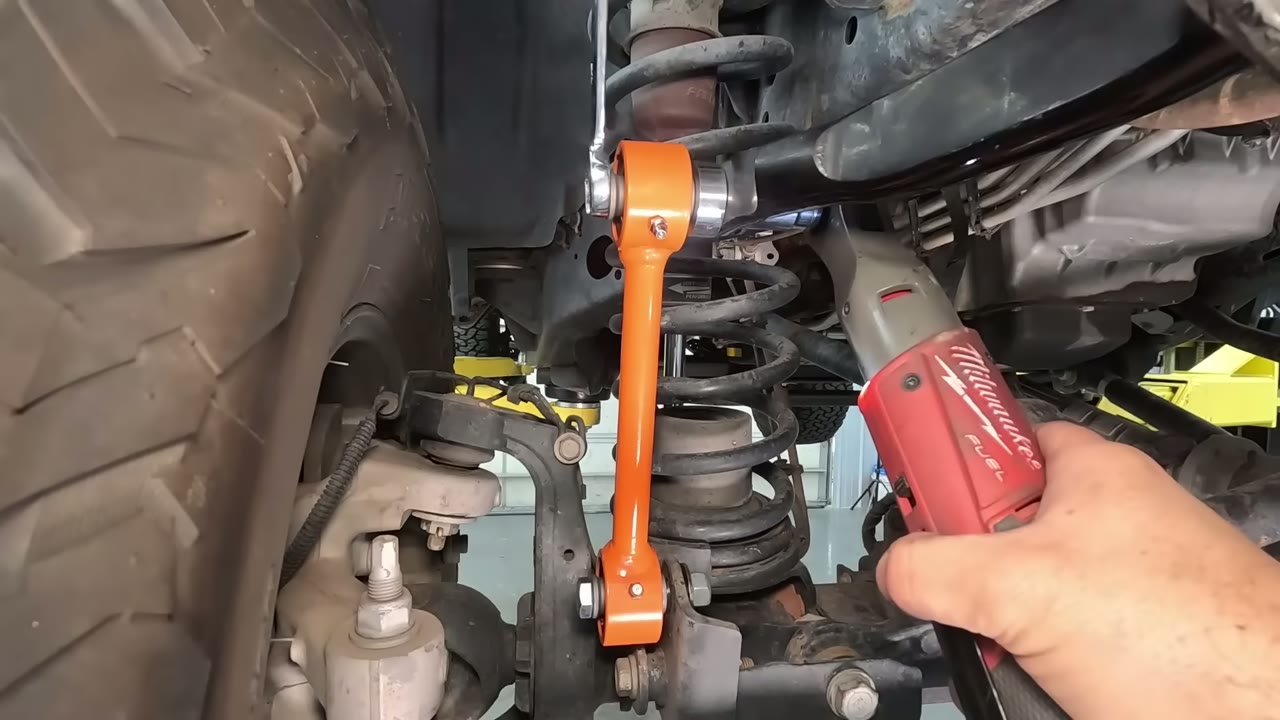
One note from the install: at full droop on the lift, the track bar pulls the axle to one side, so the end links sit slightly cockeyed until the Jeep is back at ride height. That is normal—set your final torque with the geometry settled.
Why End Links Matter Here
Here is the detail people miss: when the sway bar is disconnected, it does not stop moving. Both halves still cycle up and down with the suspension through the end links. The end links are in motion whether you are connected or not.
The Crawl Series end links use RockJock Johnny Joint rod ends, which let the link articulate through the full range of suspension travel. That means the bar halves cycle smoothly at full flex while disconnected, and the links are not the limiting point when you are connected. Grease the Johnny Joints on the same schedule as the rest of your rod ends.
Using the Manual Disconnect
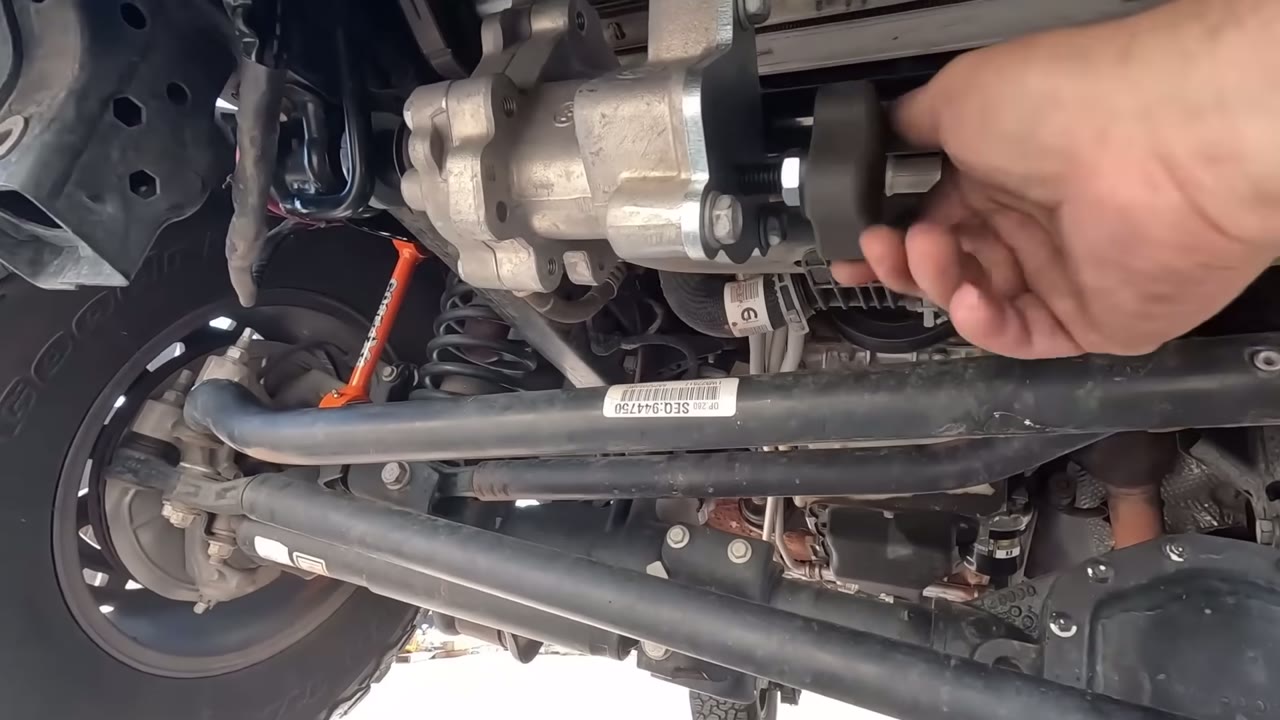
To disconnect: turn the knob all the way in. You can do this before the suspension is even loaded—the knob preloads the collar, and the moment the bar halves pass through their lined-up position, the collar slides off and you are disconnected. You will hear it release.
To reconnect: turn the knob all the way out. The spring holds pressure on the collar, and as soon as the suspension returns to equilibrium and the teeth line up, it re-engages on its own. In the video it reconnected on the way down off the forklift without any input at all.
The Forklift Flex Test
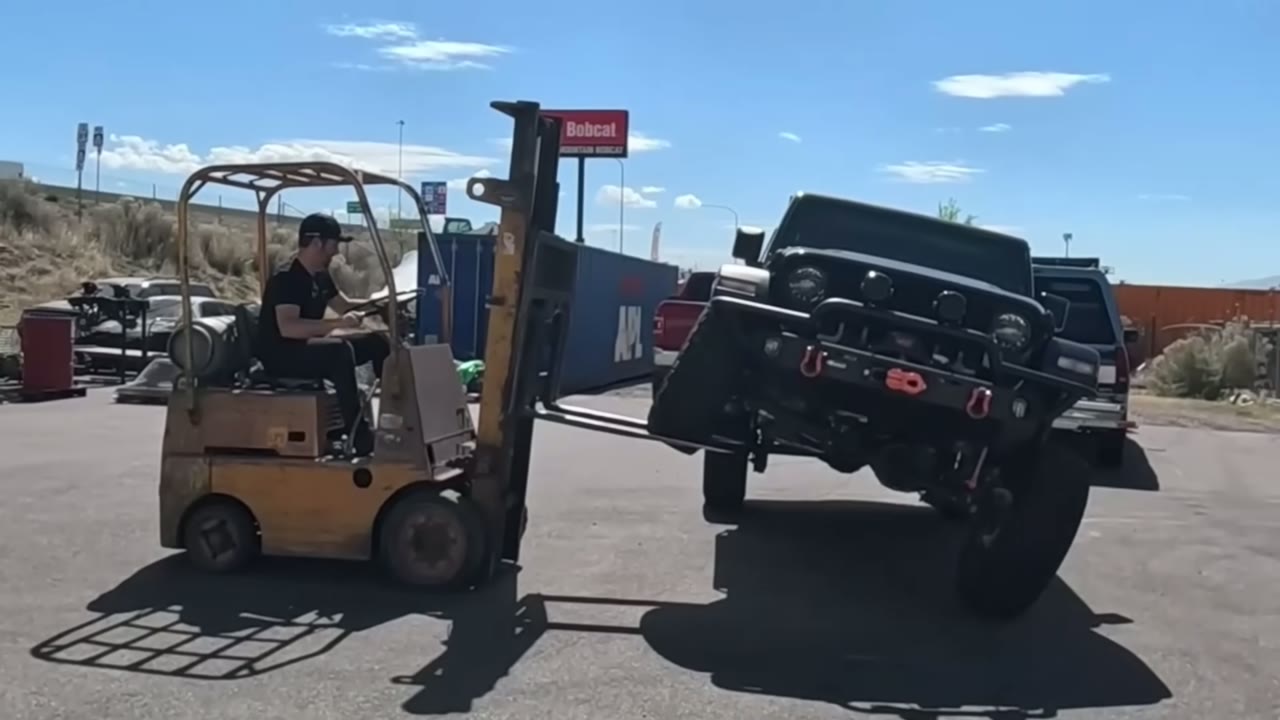
To show the difference, the JL went up a forklift ramp twice—once connected, once disconnected. Connected, the front barely twists: the body shifts with the axle and the opposite rear tire starts lifting. Disconnected, the body rolls independently of the axle and the front end articulates over the obstacle while the tires stay down. Watch the side-by-side in the video at 7:22—the footage makes the case better than any spec sheet.
Kit Options and Fitment
| Option | Details |
|---|---|
| Manual disconnect (installed in this video) | EVO No Limits knob replaces the electronic actuator – turn in to disconnect, out to reconnect |
| On-demand air-activated version | Runs off onboard air with a solenoid and cab button – push-button operation without the factory electronics |
| Fitment | Jeep Wrangler JK, JL, and Gladiator JT with a Rubicon sway bar |
| Base hardware required | Factory Rubicon sway bar (factory-equipped or sourced used) |
| End links | Core 4x4 Crawl Series with RockJock Johnny Joint rod ends, greasable |
| Install | Bolt-on, driveway-friendly – 15mm wrench for the actuator conversion |
Frequently Asked Questions
Related Products and Videos
- EVO Manual Rubicon Sway Bar Disconnect + Crawl Series End Links Bundle (as installed)
- EVO On-Demand Air-Activated Disconnect + Crawl Series End Links Bundle
- EVO Manual Disconnect – Standalone (EVO-1087)
- EVO On-Demand Air-Activated Disconnect – Standalone (EVO-1152)
- RockJock Johnny Joint Grease, 14oz (CE-9013G)
- All Wrangler JK Parts · All Wrangler JL Parts · All Gladiator JT Parts
- Watch the Full Install Video on YouTube